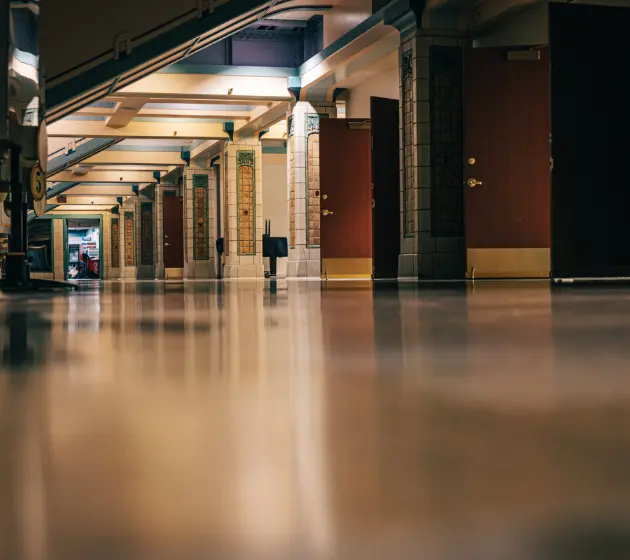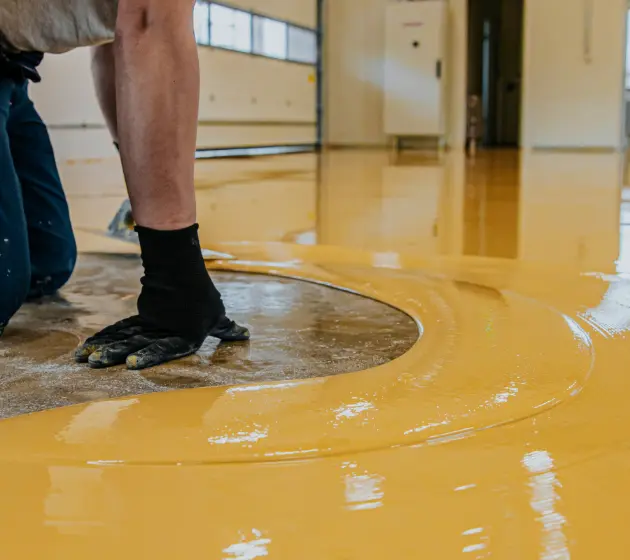

Epoxy floors are renowned for their aesthetic appeal and durability, but their longevity depends on several factors. One of the most critical factors is moisture levels. Moisture beneath the floor can prevent the epoxy from adhering properly and lead to serious issues.
How Moisture Can Damage Epoxy Floors
Epoxy coatings are ideally applied to dry and clean surfaces. If the substrate is damp or exposed to water:
- The epoxy coating may bubble or peel.
- Cracks are more likely to form.
- Adhesion problems can occur on the surface.
For this reason, applying a moisture barrier before installing epoxy is essential.
What is a Moisture Barrier?
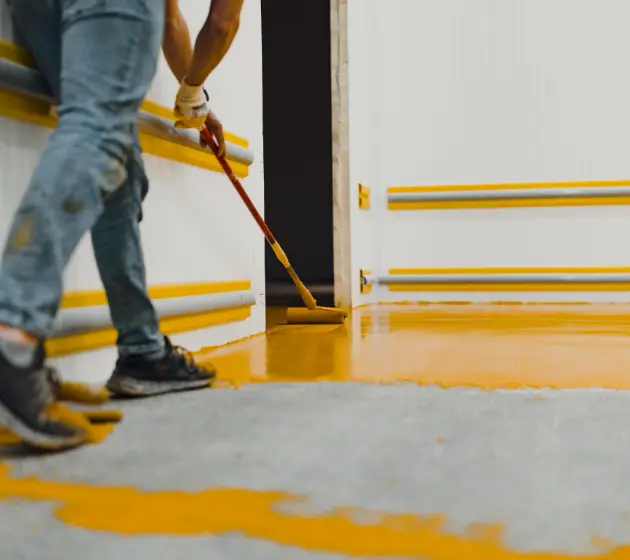
As the name suggests, a moisture barrier is a protective layer that prevents moisture from reaching the epoxy coating. It isolates the concrete or other substrates from humidity and ensures proper adhesion of the epoxy.
Benefits of Installing a Moisture Barrier
- Extends floor life – the epoxy layer remains intact for longer.
- Prevents bubbling – moisture won’t cause the epoxy to lift.
- Better adhesion – epoxy bonds more firmly to the substrate.
- Reduces cracking – moisture cannot trigger cracks in the coating.
Is it Necessary for Every Floor?
Moisture barriers are especially important for below-ground rooms, garages, and industrial spaces, where humidity levels are higher. In areas with dry floors and good ventilation, a moisture barrier may be optional.
Conclusion
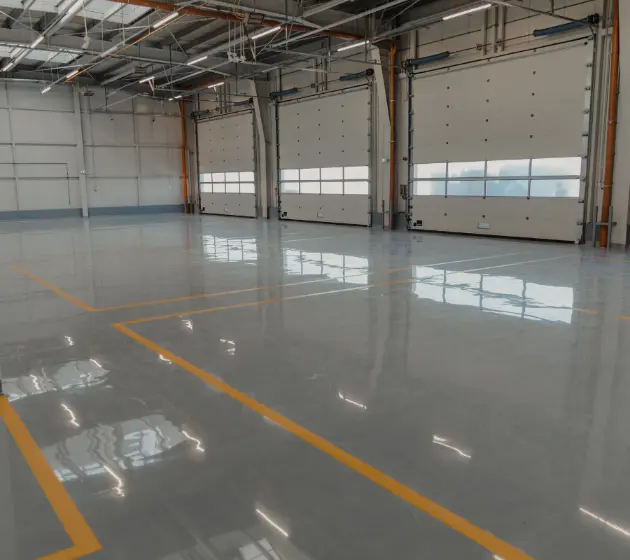
Applying a moisture barrier before installing epoxy floors provides long-term benefits. It not only preserves the aesthetic appearance but also enhances the durability and performance of your flooring.